

Seasonal eating has picked up a bit of a reputation over the years. Like it’s complicated, or something you need to properly commit to. You know, farmers markets every weekend and knowing exactly when asparagus is coming into season up north.
It’s not really like that.
But it does matter. And once you understand why, it tends to shift how you shop without you needing to think too hard about it.
At its simplest, it just means eating produce when it naturally grows here.
So instead of expecting everything all the time, you’re eating things when the conditions are right for them. When it’s cooler, you’ll see more root vegetables and citrus. When it warms up, tomatoes and berries start to come through. Feijoas have their moment and then they’re gone again.
That timing is tied to how things grow. Temperature, daylight, rainfall all play a part. When those conditions line up, crops grow properly without needing to be rushed or pushed along.
Before we could import pretty much anything at any time, this was just how food worked. Now we’ve got more choice, but that doesn’t always mean better.
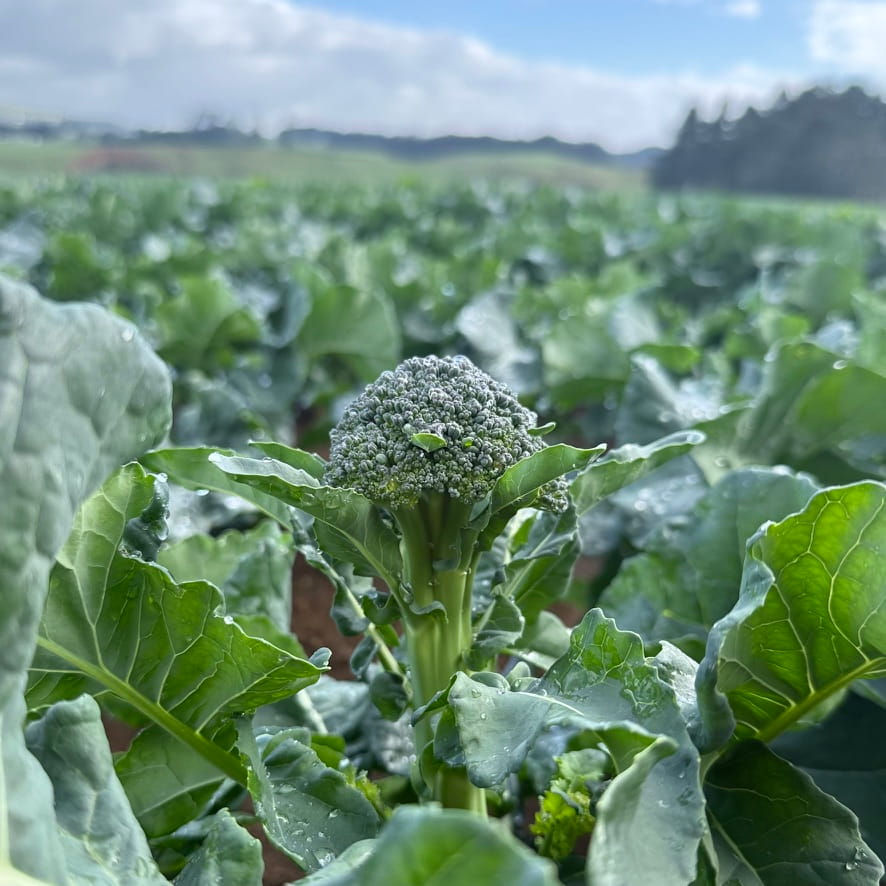
Seasonality isn’t just about taste. It’s also how the whole system is set up.
When you buy what’s in season locally, you’re backing produce that’s being harvested right now, by growers working within that natural cycle.
When we lean more toward imported options instead, especially in the off season, it shifts where that support goes. Often those imports are filling a gap, but they’re also competing with local growers at different points in the year.
Over time, those patterns shape what gets grown, how much growers can invest, and how stable the system is. It’s not something you notice day to day, but it does add up.

Out of season produce usually has a longer journey. It gets picked earlier, travels further, and goes through more handling along the way.
Each of those steps is another chance for something to lose quality or not quite make it.
That’s often why you end up with fruit that looks fine but doesn’t ripen properly, or veg that doesn’t last as long as you thought it would.
When something is in season and grown closer to home, it’s a shorter path. Less time, less handling, and generally a better shot at it arriving in good nick.
When something is in season, it’s been grown in the conditions it’s meant for and picked when it’s actually ready.
Out of season is a bit different. Produce is often picked earlier so it can travel and sit on shelves for longer. That has a knock-on effect on flavour, texture, and even how well it lasts once you get it home.
Apples are a good example. Right now, Hawke’s Bay is in the middle of harvest. Fruit is coming off the trees at the right time and moving through quickly. It tastes how you expect it to.
Compare that to apples that have been in storage for months to stretch supply across the year, and it’s not quite the same thing. Still good, just different. Once you notice it, it’s hard not to.

When something is in season, there’s usually more of it around.
That tends to mean better pricing, but also better quality at that price. You’re not paying for long storage, extended transport, or the effort of getting something to grow outside its natural window.
So you often end up with food that tastes better and lasts longer, without spending more.
Most people fall into the habit of buying the same 10–15 things every week.
Eating seasonally changes that without you really noticing. As different produce comes and goes, your meals shift with it. You end up eating a wider range of fruit and veg across the year without trying.
Different nutrients, different flavours, different ways of cooking. It just happens naturally.
You could keep track of what’s in season, visit a few markets, and build your shop around it.Or you could just get a Wonky Box, and we’ll take care of that part for you.

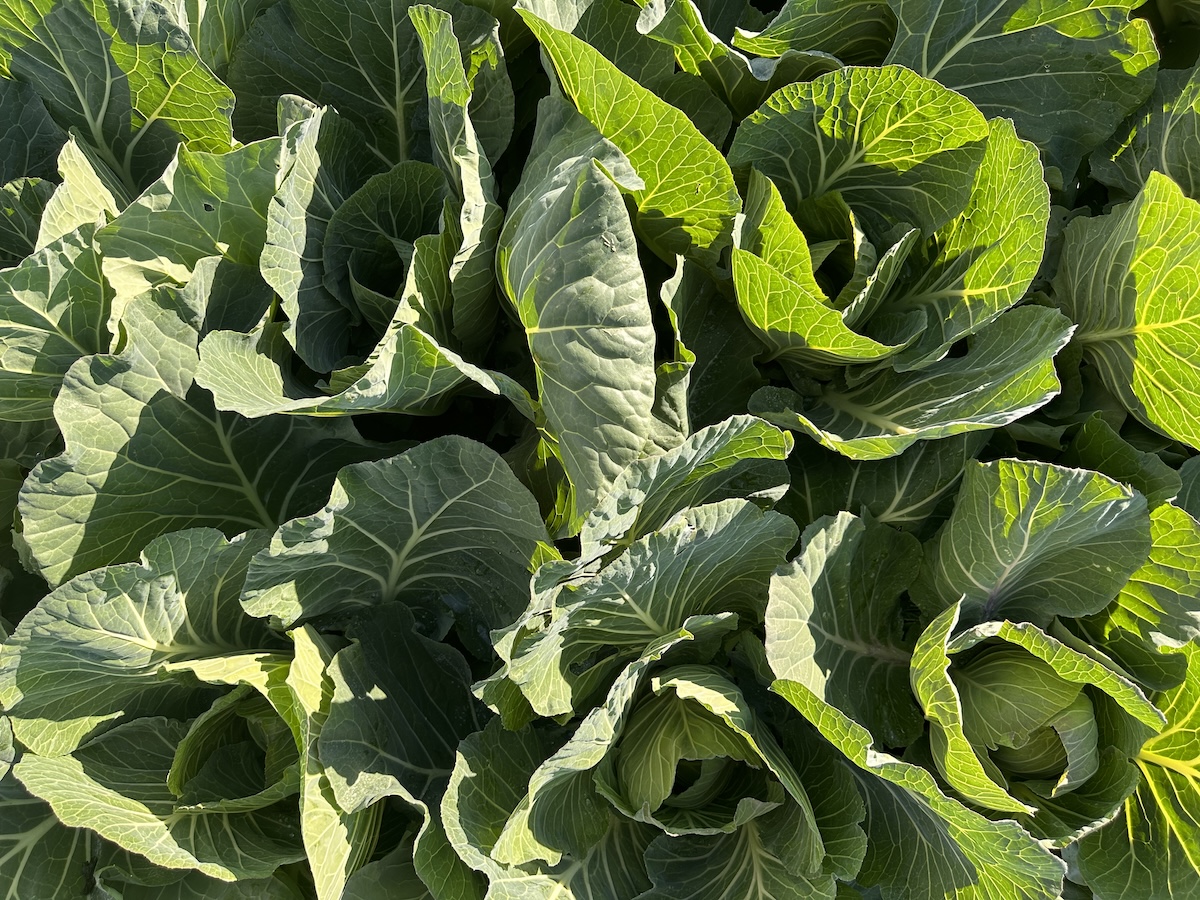
A bumper spring for greens and brassicas. What's filling your box right now, and what all that abundance means for the growers.
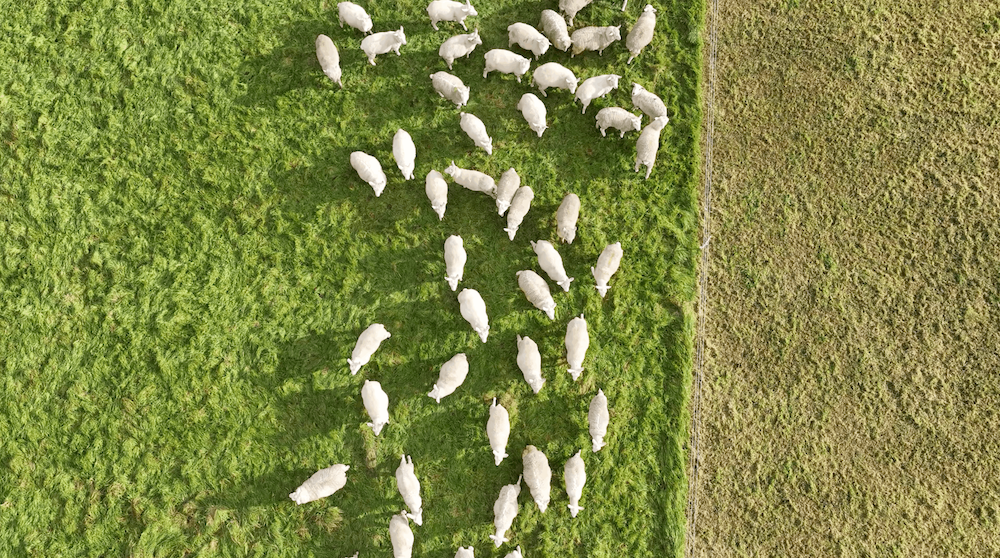
The best meat we grow mostly leaves the country. We work with small family farms to bring some of it home instead.
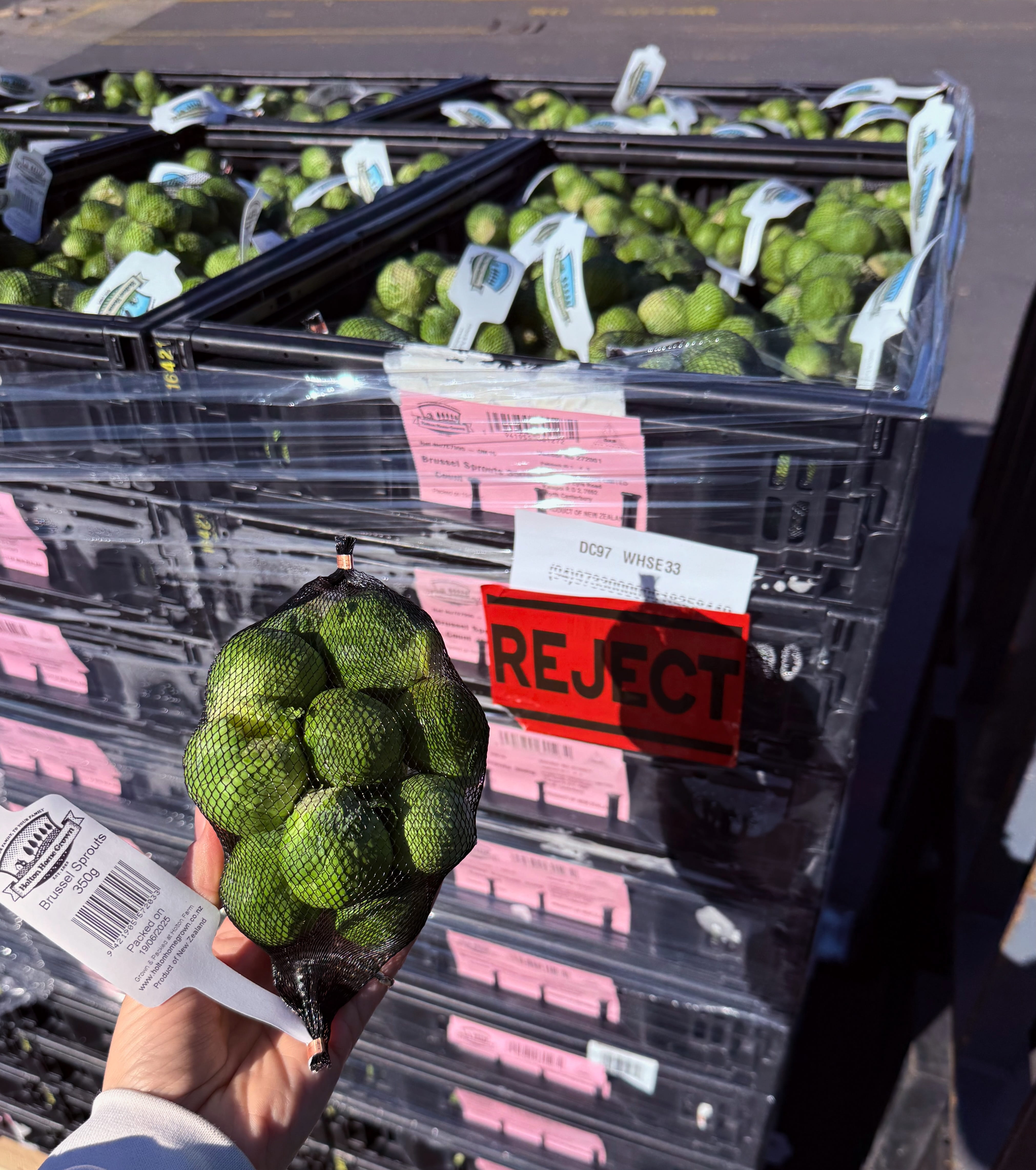
Let’s talk about something that happens every day on farms across New Zealand, but most people never see.

Most of us buy the same ten brands on repeat without really thinking about why. Not because they're the best option. Just because they're always there. Here's why.


tell us what you think