
Most New Zealand lamb doesn’t stay in New Zealand.
Lamb is one of our biggest export earners, bringing in billions each year, and around 95% of what we produce is sent overseas. The returns are better there, so that’s where a lot of it goes. That’s how the system has been built.
It also means that some of the best lamb raised here rarely ends up on Kiwi plates.
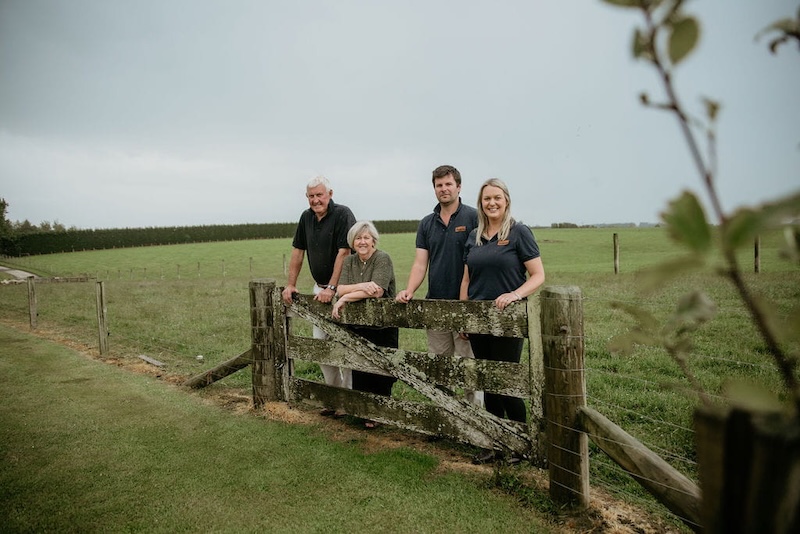
Marc and Jess at Leelands Farm in Southland have built their whole business producing that top-tier product. What matters to them is making sure more of it is eaten here, closer to home.
Their lamb is served in places like Huka Lodge, Kauri Cliffs and Blanket Bay. And now, through Wonky Box, it’s making its way into Kiwi kitchens too.
What stood out when we visited wasn’t just the product. It was how much they care about where it ends up, and who gets to eat it.
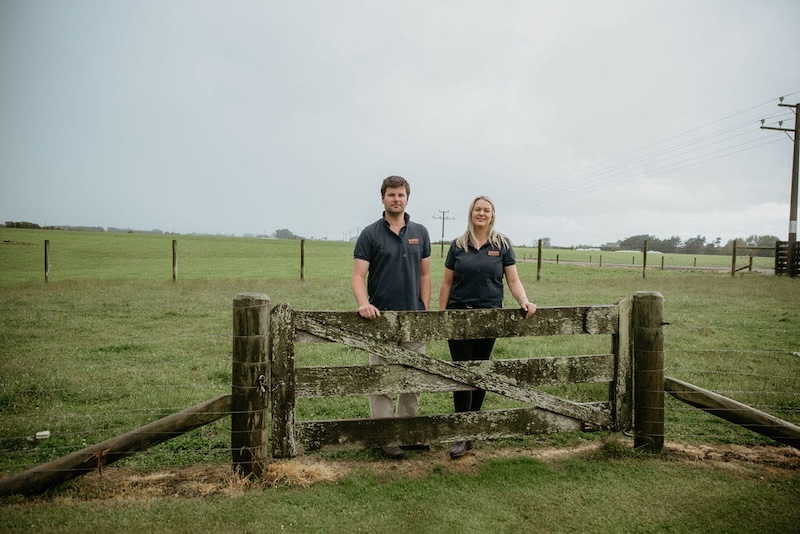
Leelands has been around for generations. Marc and Jess have taken it on with a clear direction: produce exceptional lamb, do it thoughtfully, and stay connected to the people eating it.
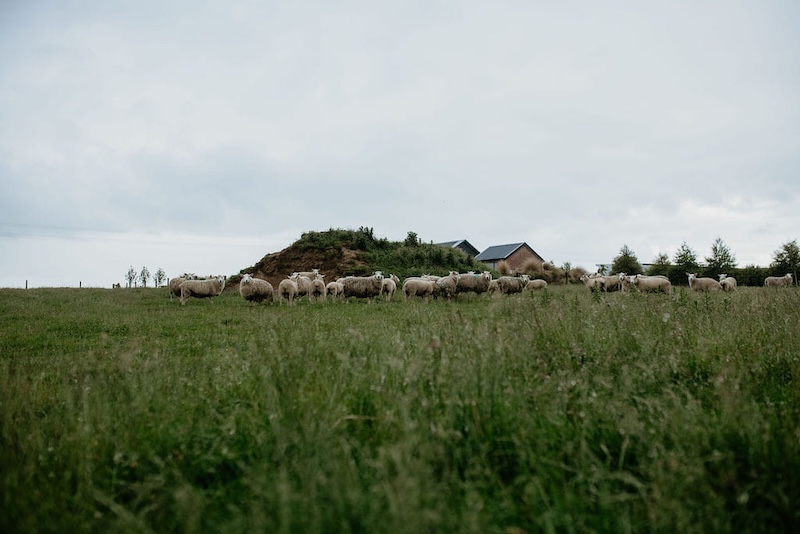
The farm isn’t one single block of land. Their animals move across a network of neighbouring properties in Southland, grazing on red and white clover and chicory, with local landowners sharing pasture.
Supplying some of the best restaurants in the country means they get direct feedback from chefs, hear how the product performs, and stay closely connected to the end result. It’s not anonymous. There’s real transparency, and a direct line between the farm and the people eating the product.
Processing is one of those details that has a real impact.
Leylands handle everything locally, working with a nearby abattoir. It keeps travel time short and stress low for the animals. Not every farm has that option, and it does make a difference.
It’s not something you see when you’re buying meat, but it all adds up when you’re talking about quality.
There’s also a bigger challenge sitting behind all of this.
Selling meat locally as a smaller farm isn’t always straightforward. Most people naturally gravitate towards the same cuts, so if you’re only able to move part of the animal, it becomes difficult to make the numbers work. It also makes it harder for farms to grow, because scaling relies on being able to use the whole animal, not just the popular pieces.
That’s part of why export works so well. It’s not just about price, it’s about having a system that can take everything.
Working together has opened up a different way of doing things.
Because we’re not tied to a traditional retail format, we can bring through a wider range of cuts and build demand for them over time. That gives Marc and Jess more flexibility, and it means more of the animal ends up being used well.
It also makes things more interesting for customers.
Some of the cuts we’ve been including are ones you don’t often see in a typical shop. Lamb ribs are a good example. They’re less familiar, but once you try them, they’re up there with the best. The only reason they’re not more common is because the system tends to favour the same few cuts again and again.
This starts to feel similar to what we’ve always done with produce. It’s about making better use of what’s already there, and giving people access to things they might not otherwise come across.
It means more of this lamb stays here, and more people get to eat it - not just in restaurants, but at home.
For us, it’s a natural extension of what Wonky has always been about. Supporting good producers, using more of what’s available, and making it easier to eat well without overcomplicating it.
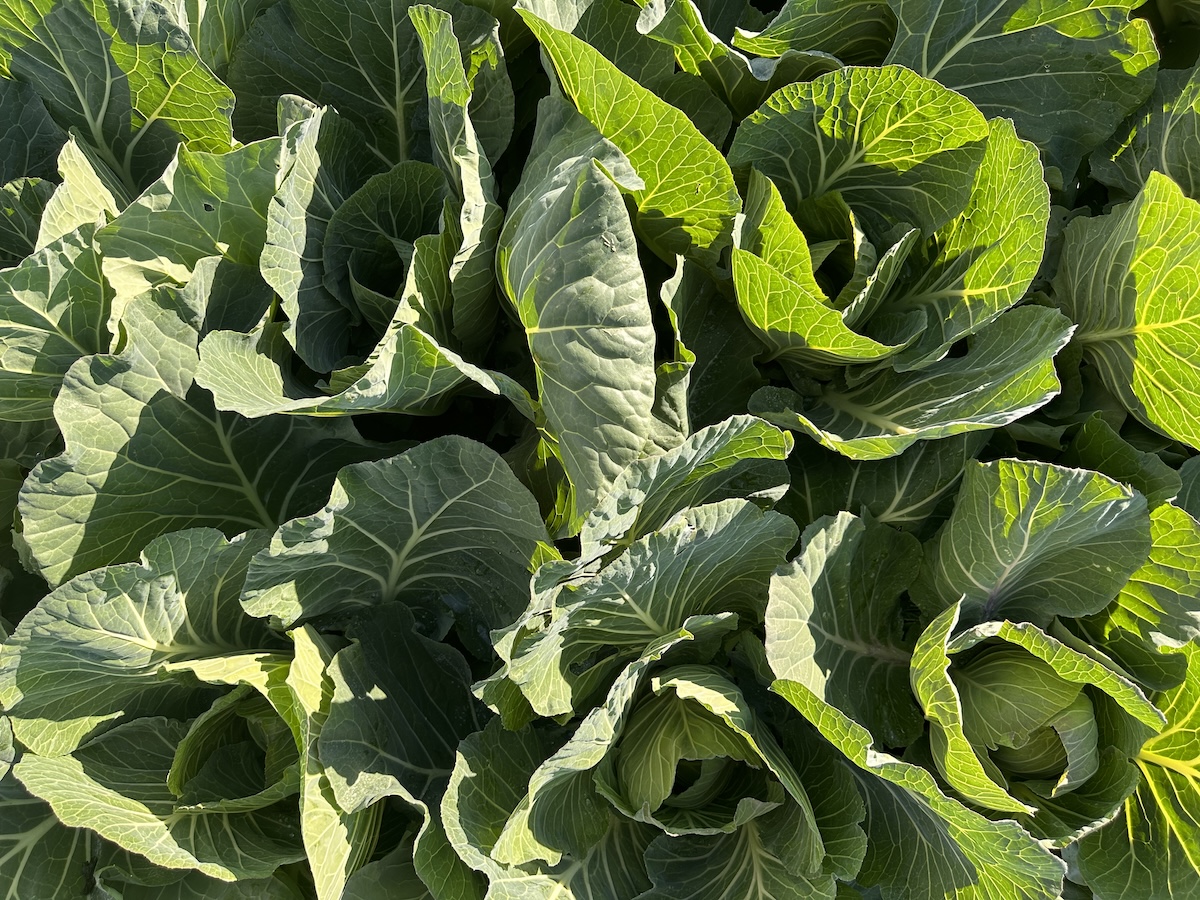
A bumper spring for greens and brassicas. What's filling your box right now, and what all that abundance means for the growers.
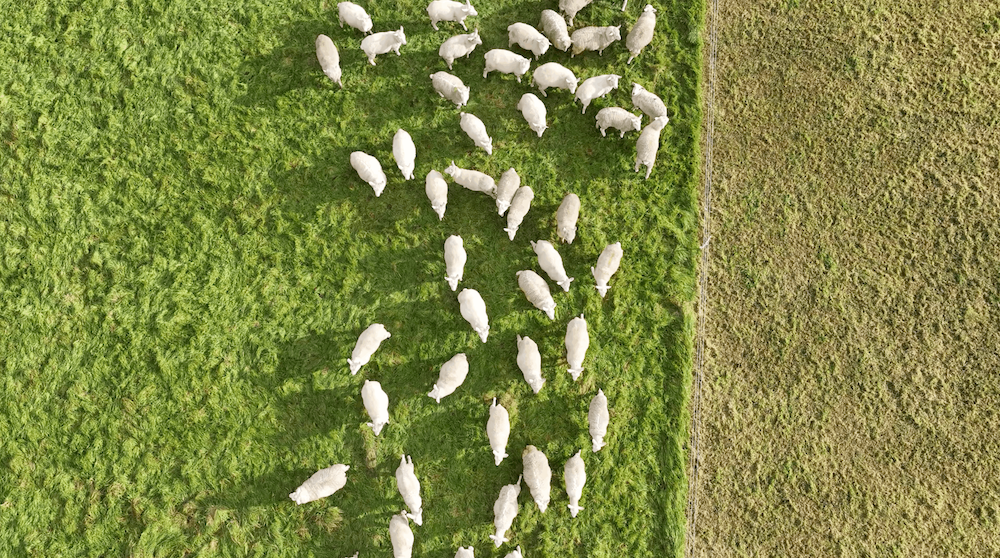
The best meat we grow mostly leaves the country. We work with small family farms to bring some of it home instead.
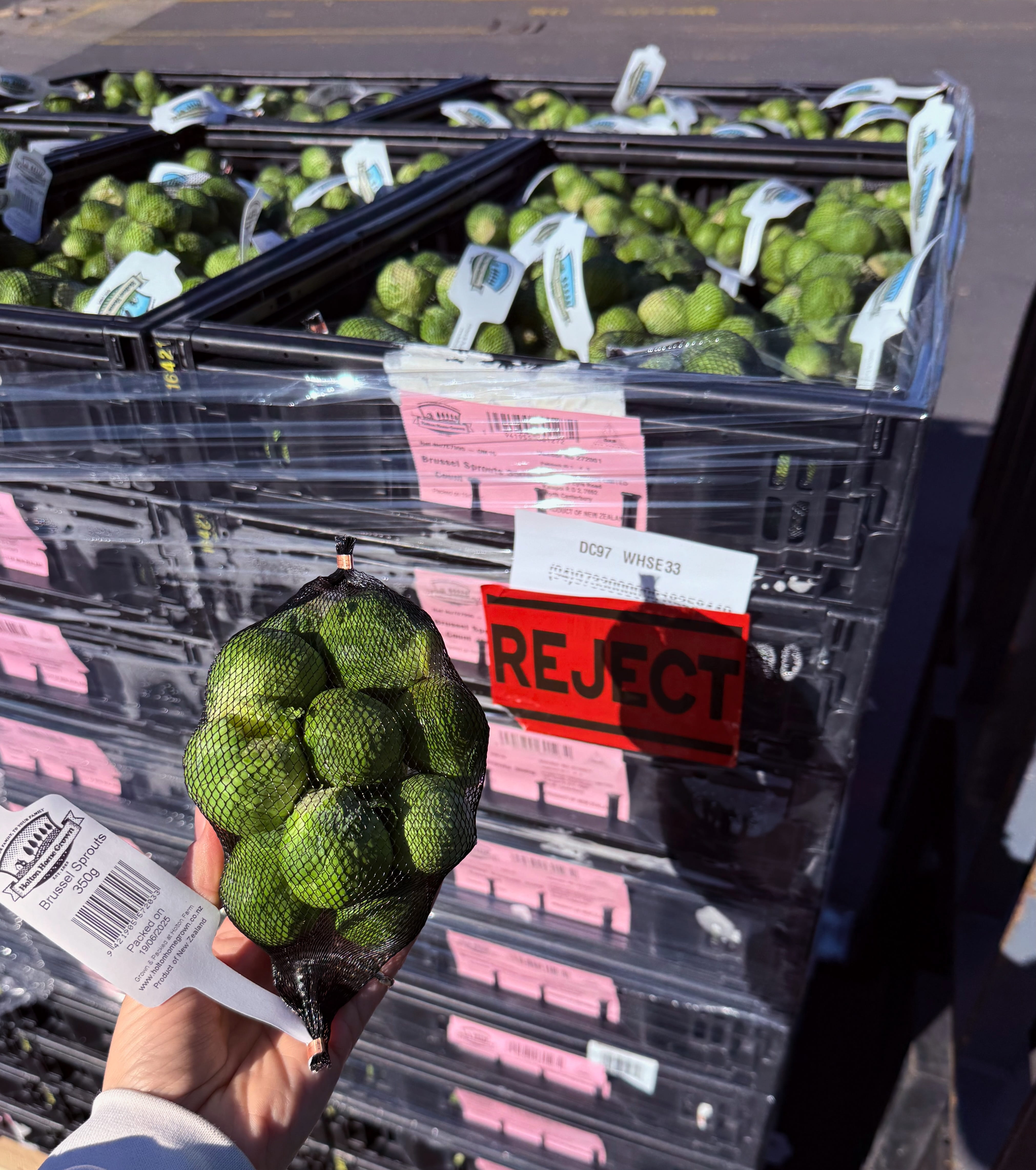
Let’s talk about something that happens every day on farms across New Zealand, but most people never see.

Most of us buy the same ten brands on repeat without really thinking about why. Not because they're the best option. Just because they're always there. Here's why.


tell us what you think