

Supermarket shelf space is valuable real estate. And like most valuable real estate, it goes to whoever can afford it. Big established brands pay significant amounts to secure their spot - through listing fees, promotional deals and marketing contributions that smaller producers simply can't match.
When you see a product on sale at the supermarket, that discount is usually paid for by the producer, not the supermarket. On top of that, producers pay for their shelf position, for merchandising, and for compulsory promotional periods. For a small NZ producer using quality ingredients and paying fair wages, those costs simply don't stack up. Many choose to stay out of the supermarket system entirely because of it, not because their product isn't good enough, but because the economics make it impossible to do things properly and still compete on price.
Supermarkets also increasingly prioritise their own home brands, which offer better margins and more control. And with two supermarkets controlling around 80% of the NZ grocery market, they have an extraordinary amount of data about what sells, at what price and to whom - data they can use to create competing products that undercut the very producers who helped build that category in the first place.
The result? A weekly shop that looks remarkably similar to everyone else's. Familiar, predictable, and increasingly dominated by labels that exist to serve the retailer's margins rather than your kitchen.
New Zealand is full of incredible small producers doing genuinely exciting things. Independent makers, emerging growers, family-run operations with products that are better quality, more purposeful and often more sustainable than the big brand alternative sitting next to them on the shelf - if they can even get on the shelf at all.
Many can't. Not because their product isn't good enough, but because they can't afford to play the game. They don't have the budget for listing fees or the volume to meet a national supermarket's minimum order. So their products never reach you, and you never know what you're missing.
This is exactly why we built Good Groceries by Wonky. Not just to rescue surplus and short-dated stock - though we do plenty of that - but to create a genuinely different kind of place to shop.
Good Groceries stocks the brands that are too small, too new or too independent to make it onto a supermarket shelf. The makers who are innovating in the food space but don't have the budget for listing fees. The producers who are doing things properly - raising animals with welfare and land care in mind, making food that's actually nutritious and full of flavour rather than stripped back for shelf life, building businesses with sustainability at the core rather than as an afterthought.
We stock trial ranges from producers who are still finding their feet. We carry meat from farmers who look after their animals and their land. We find the products that are better for you, more interesting to eat and made by people who genuinely care about what they're putting into the world.
And we put all of it in front of customers who are already open to shopping differently. Because if you're already happy to eat a scarred orange or a curly carrot, you're probably the kind of person who'd love to try a small-batch hot sauce from a Wellington producer or a cut of lamb from a farm that does things the right way.
Think of it as the interesting aisle the supermarket never quite managed to build - stocked by people who are changing the way NZ thinks about food, one product at a time.
None of this is about villainising the supermarket. It's a system that works for a lot of people a lot of the time. But it's worth knowing how it works because once you do, the weekly shop starts to feel like more of a choice.
Shopping with Wonky means your money goes to NZ growers and independent producers, not a global supply chain. It means discovering brands you'd never find on a regular shelf. It means eating better, supporting people who are doing things right, and being part of a more thoughtful, more interesting food system.
That's not a small thing. It's actually kind of a big deal.
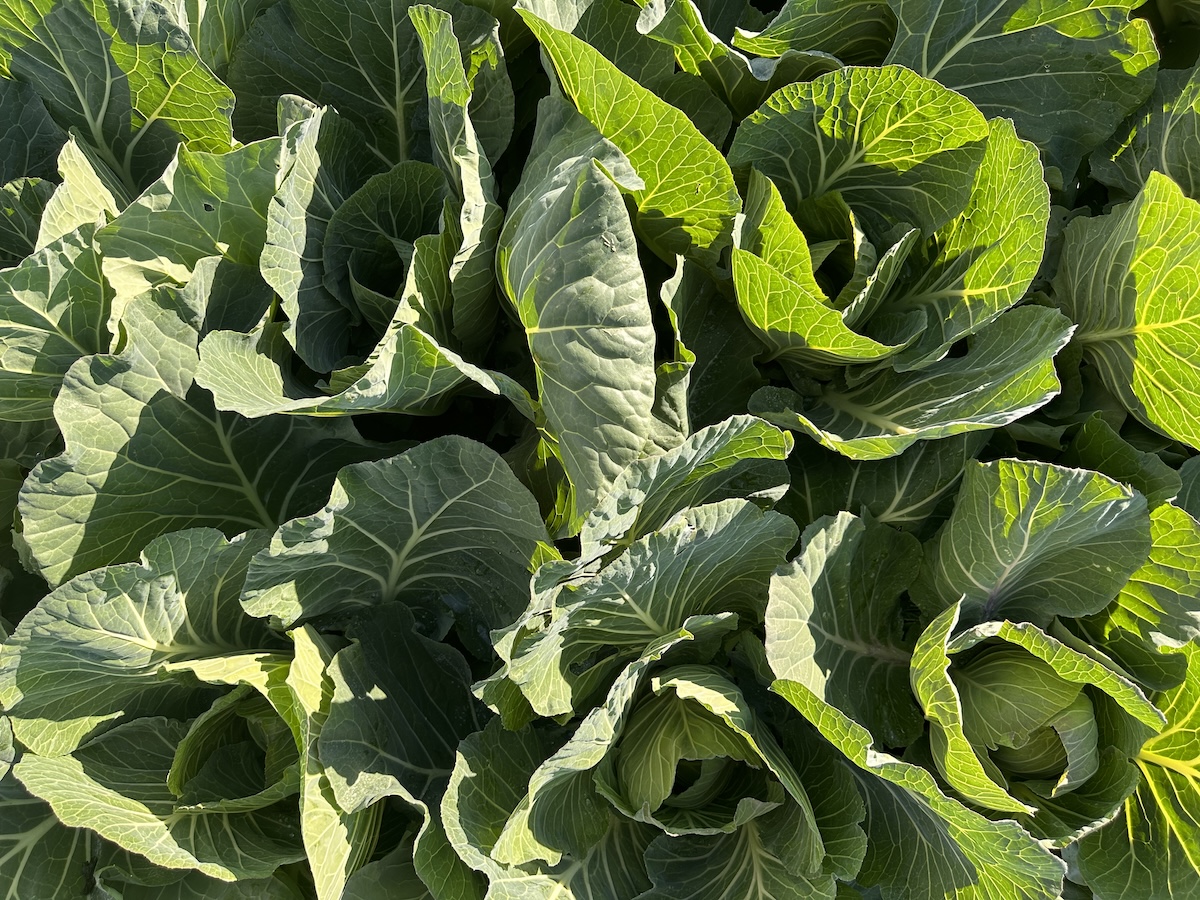
A bumper spring for greens and brassicas. What's filling your box right now, and what all that abundance means for the growers.
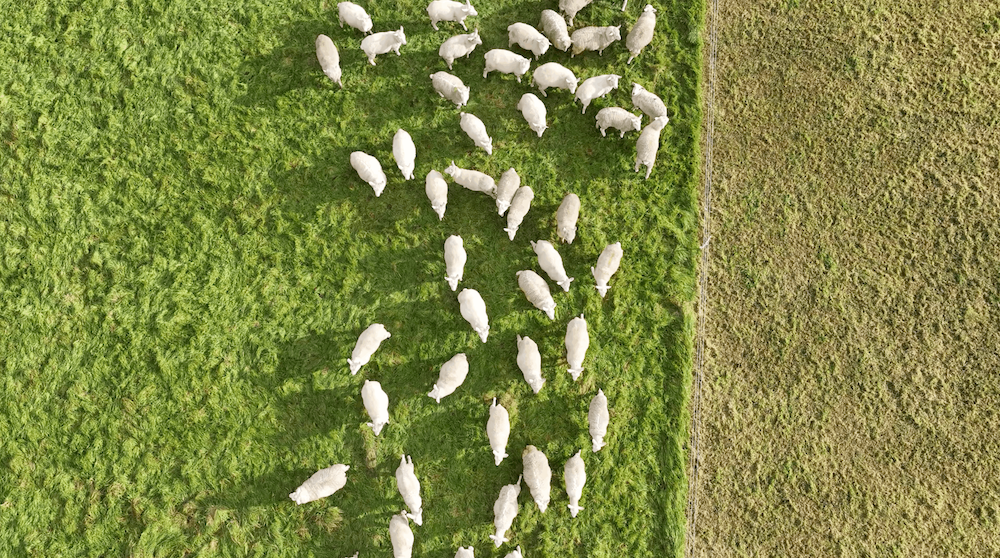
The best meat we grow mostly leaves the country. We work with small family farms to bring some of it home instead.
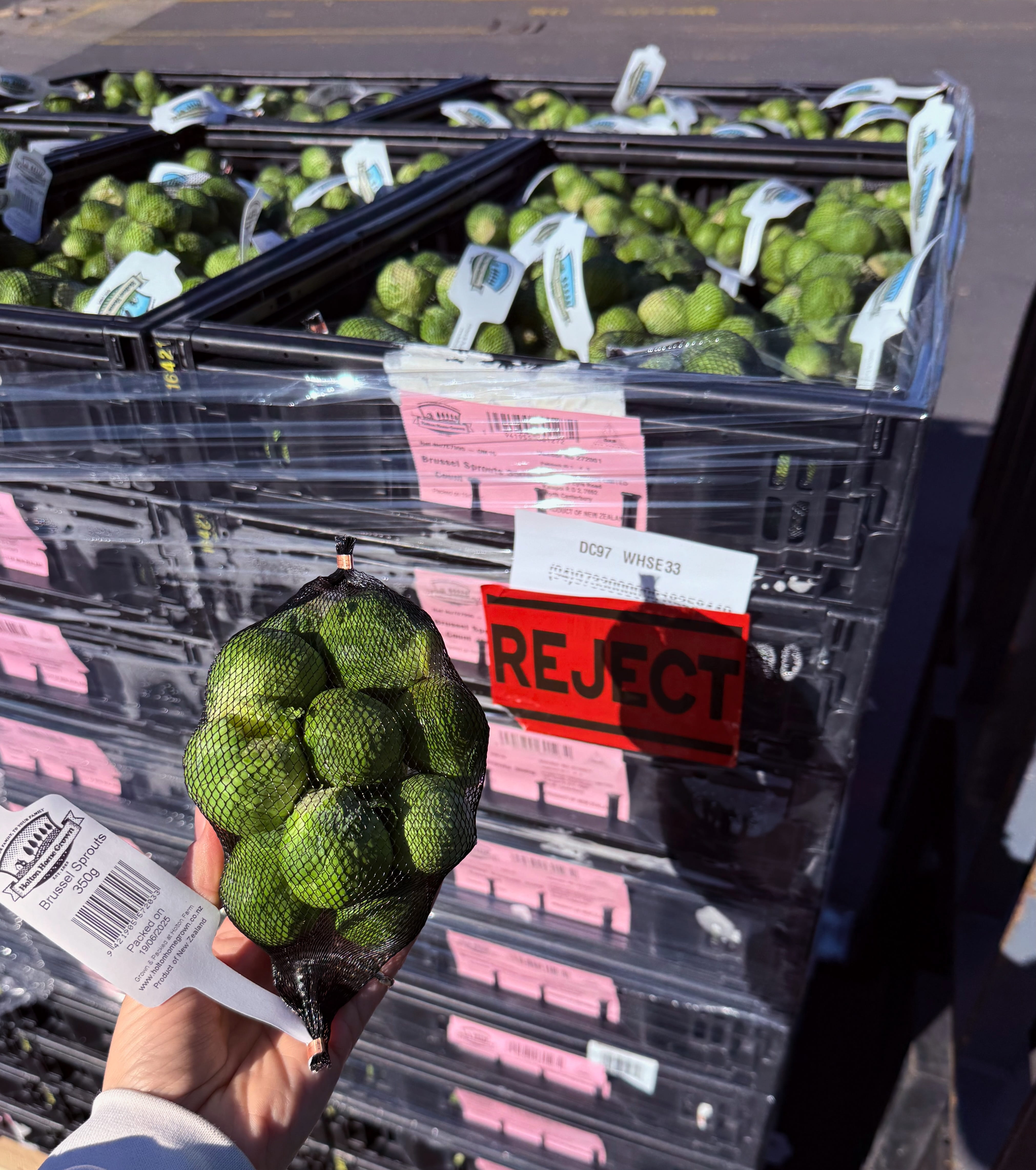
Let’s talk about something that happens every day on farms across New Zealand, but most people never see.
.jpg)
These export-grade apples didn’t quite make the cut overseas, but nothing about their flavour or crunch is missing.


tell us what you think