
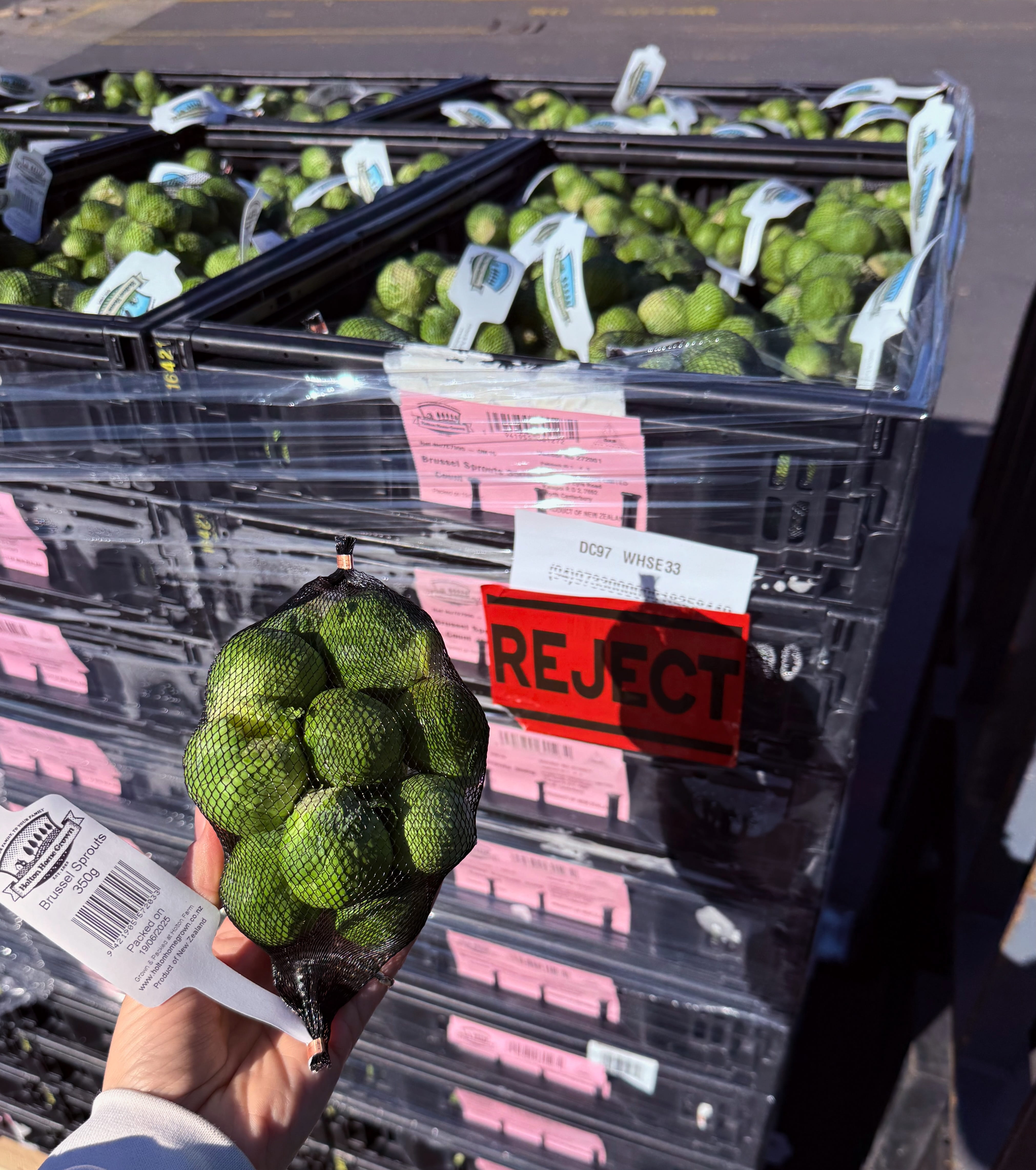
Let’s talk about something that happens every day on farms across New Zealand, but most people never see.
A grower spends months nurturing a crop. Watching the weather, managing risk, getting it ready for harvest. And then somewhere between the farm and your plate, a portion of that food never makes it through.
Not because it’s gone off. Not because nobody wants it. But because the system around food wasn’t really designed to move all of it.
Every retailer and overseas market has cosmetic standards. Rules about size, shape, colour and uniformity that produce has to meet before it gets a place on the shelf. But "wonky" means a lot more than just an odd shape. It might be a slight colour variation, scarring from wind, a size that's marginally outside the spec, or simply that there's more of it than the market can handle that week. What’s less obvious is that these standards shift.
When supply is tight and produce is expensive, retailers quietly lower the appearance criteria. Suddenly the slightly scarred apple makes the shelf. But when there's plenty, the spec tightens and more gets left behind. What's considered "wonky" is directly linked to how much is available in the country at any given time.
Export markets are even stricter than our domestic ones. The rules around size, colour and blemish for fruit going to Japan, the UK or the US are extraordinarily strict. A millimetre too small. A blush that's slightly off. Perfectly delicious fruit that simply doesn't meet the grade for an overseas shelf and so it stays here, in need of a home.
If produce doesn't meet the spec, it often doesn't get picked at all. Because why would a grower pay for the fuel, the labour and the packing shed time to harvest something they can't guarantee they'll sell?
Then there's surplus. When a season goes well and a grower produces more than expected, that sounds like good news. And in an ideal world it would be. But supermarkets and export markets order what they need and not a kilo more. A bumper harvest doesn't mean a bumper payday. It often means a field full of perfectly good food with nowhere to go.
The same thing happens with pantry products. A producer changes their packaging and suddenly the old stock is obsolete. A batch runs slightly over the order. A short date approaches. All of it, perfectly fine food, at risk of going to waste for reasons that have nothing to do with the actual eating quality.
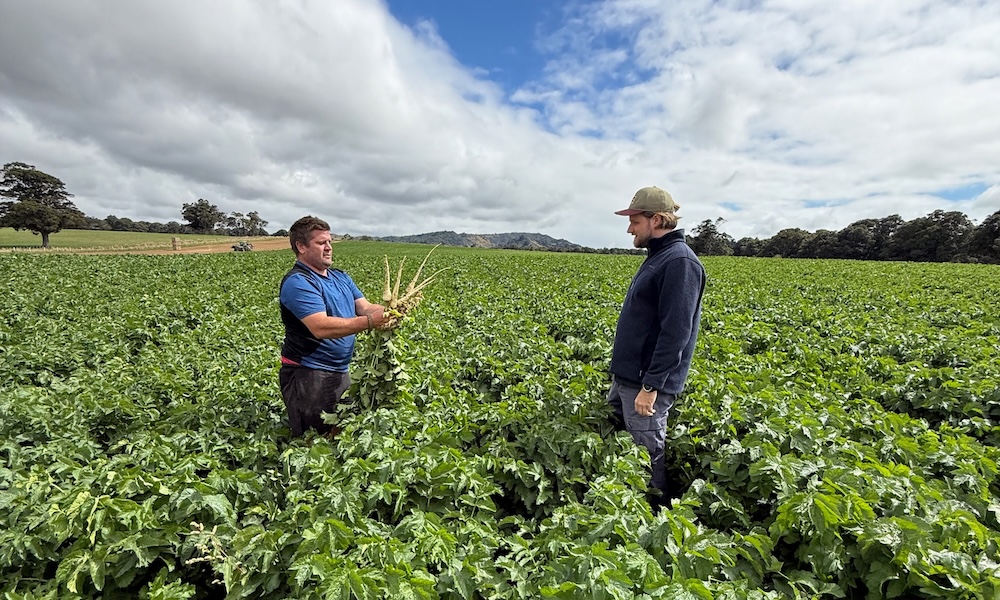
It's easy to assume food waste is about people not finishing their leftovers. But most research into food waste focuses on what happens after food reaches the shops, not what happens before. Food loss - everything that's wasted before it ever reaches retail - accounts for a significant chunk of all food wasted globally, and it's a much less talked about part of the story.
Growers aren't wasting food carelessly. They're making sensible business decisions. They intentionally grow more than they think they'll sell because they have to. Weather events are common and unpredictable - a late frost, a dry summer, a storm at the wrong time can wipe out a portion of a crop. So growers plant extra as protection. When the season goes well and nothing goes wrong, that extra produce needs somewhere to go.
This isn't a farming problem. Growers are growing incredible food and managing enormous risk every single season. It's a system problem. And the system isn't going to fix itself.

Wonky Box works around the edges of the retail and export system to find the food that falls through the gaps. That might be surplus that grew better than expected, produce that didn’t quite meet export grade, or a trial crop from a grower who’s still building a relationship with a retailer and can’t yet commit to their volumes.
We take that food, pack it, and get it to your door.
Take one of our growers in Pukekohe. This year he planted a brand new variety of orange pumpkin that’s never been sold commercially in New Zealand. It has no name, no brand, and no place in a supermarket programme yet. But it’s good. Interesting to cook with, and worth growing.
We committed to buying his crop early in the season, which gave him the confidence to go ahead. Now it’s going out to Wonky customers, and we’re asking them what they think. If people love it, he’ll plant it again next year.
That’s how something new finds its place in the food system. Not through a buyer’s spreadsheet, but through people actually eating it.
The same idea applies to everyday growing, especially with green produce. These crops are genuinely unpredictable. They can grow faster or slower depending on the weather, and in New Zealand that’s getting harder to forecast. Planting schedules shift, harvests come early or late, and sometimes there’s simply more volume than expected.
For a grower locked into a supermarket programme with fixed order quantities, that creates pressure. For Wonky, it’s something we’re set up to work with.
We don’t ask growers to commit to strict volumes each week. Instead, we take what’s available around their existing commitments. The surplus, the overflow, the weeks where everything comes on at once.
That only works because our customers are open to eating what’s good that week, rather than choosing every item themselves.
That flexibility matters more than it sounds. It means growers have somewhere to send food when things don’t go exactly to plan, without taking on extra risk. It means more of what’s grown actually gets eaten.
And for a small island nation a long way from anywhere, that kind of system matters. Looking after the people who grow our food isn’t just a nice idea. It’s part of making sure the whole thing keeps working.

At Wonky Box, we work directly with over 100 NZ growers and producers to rescue produce and pantry products that would otherwise go to waste. We buy direct, pack it up and deliver it straight to your door. Fresh, local, seasonal food from people you can name and farms you can picture.
The system isn’t perfect, but your weekly shop can still be part of something better.
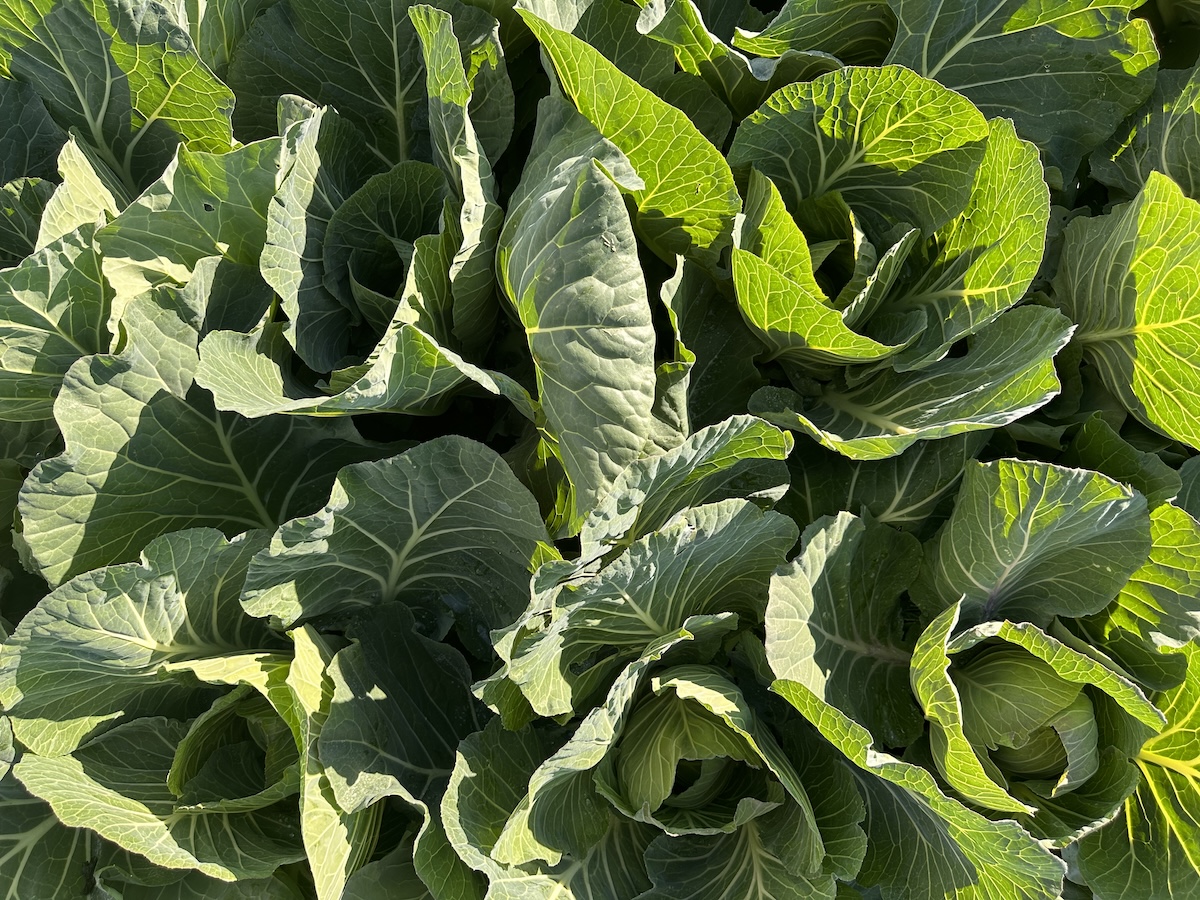
A bumper spring for greens and brassicas. What's filling your box right now, and what all that abundance means for the growers.
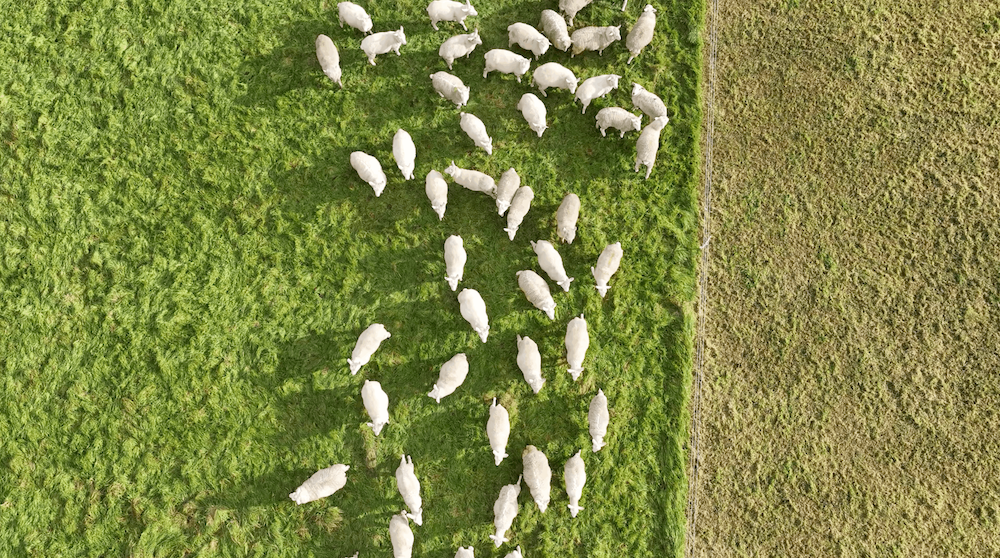
The best meat we grow mostly leaves the country. We work with small family farms to bring some of it home instead.

Most of us buy the same ten brands on repeat without really thinking about why. Not because they're the best option. Just because they're always there. Here's why.
.jpg)
These export-grade apples didn’t quite make the cut overseas, but nothing about their flavour or crunch is missing.


tell us what you think