

Walk into a Bay of Plenty kiwifruit packhouse at harvest and the scale hits you before anything else. Crates stacked to the roof, chillers humming, trucks backing in and out all day. Almost none of it is meant for us.
New Zealand is home to about five million people, yet our farms, orchards and market gardens grow enough food for more than 40 million. That gap is the whole reason Wonky exists, and it's a much bigger story than a bendy carrot.
Of all the kiwifruit grown here, Kiwis eat around one in ten. We get through roughly 15% of our onions and 13% of our beef, and the rest is graded, packed, chilled and sent off around the world.
We're good at it, too. Some of the best growers and farmers anywhere are working paddocks a short drive from most of us, and export keeps a lot of rural towns ticking along.

But what happens when it doesn't go to plan? Sometimes an overseas buyer cancels the week before harvest. Sometimes a market tightens its spec, or a warm fortnight brings a whole crop on at once, or the dollar moves and a buyer quietly walks away.
Over in the UK or Europe, surplus can be on a truck to the next country by lunchtime. Ours is a three-hour flight across the Tasman, and fresh produce doesn't have three hours to spare.
Standing in a shed full of it this month, one grower summed it up for us: they grow for millions and rely on export markets to take it, and when those markets don't, five million people can only eat so much.
Most of what lands in your box got there for a reason like that. Odd shapes turn up now and then, and they're always welcome, but more often it's something like:
Picked for taste, not for a spec sheet. It missed its market, never its quality.

Funnily enough, all that abundance is what makes a box like ours work in New Zealand. Overseas, businesses doing what we do can struggle to find enough produce to fill their boxes. Here it's the opposite: if one grower has nothing spare this week, there's almost always another with a shed full of something.
Why not just give it all away, then? It's a fair question, and one we hear a lot. The thing is, a crop costs the same to grow and harvest whether it's headed for Tokyo or your kitchen. The seed, the fuel, the irrigation and the hours spent bent over a row picking it don't get any cheaper because an export order fell through. If nobody pays for that, the only sensible option for a grower is to leave it in the ground, and a grower who has to keep doing that won't be growing for long.
That's where we come in. We pay growers a fair price to pick it, and we buy the way they need us to, by the pallet rather than the punnet. More crops get harvested instead of ploughed back in, and more local growers get to keep doing what they're good at.
That yellow apple in your fruit bowl was grown for someone on the other side of the world, and it kept every bit of its crunch on the way to you.
See what's in this week's box → here

Lamb is at record prices this spring. Here's what's going on overseas, at the processing plant and out in the paddock, from people who buy direct.
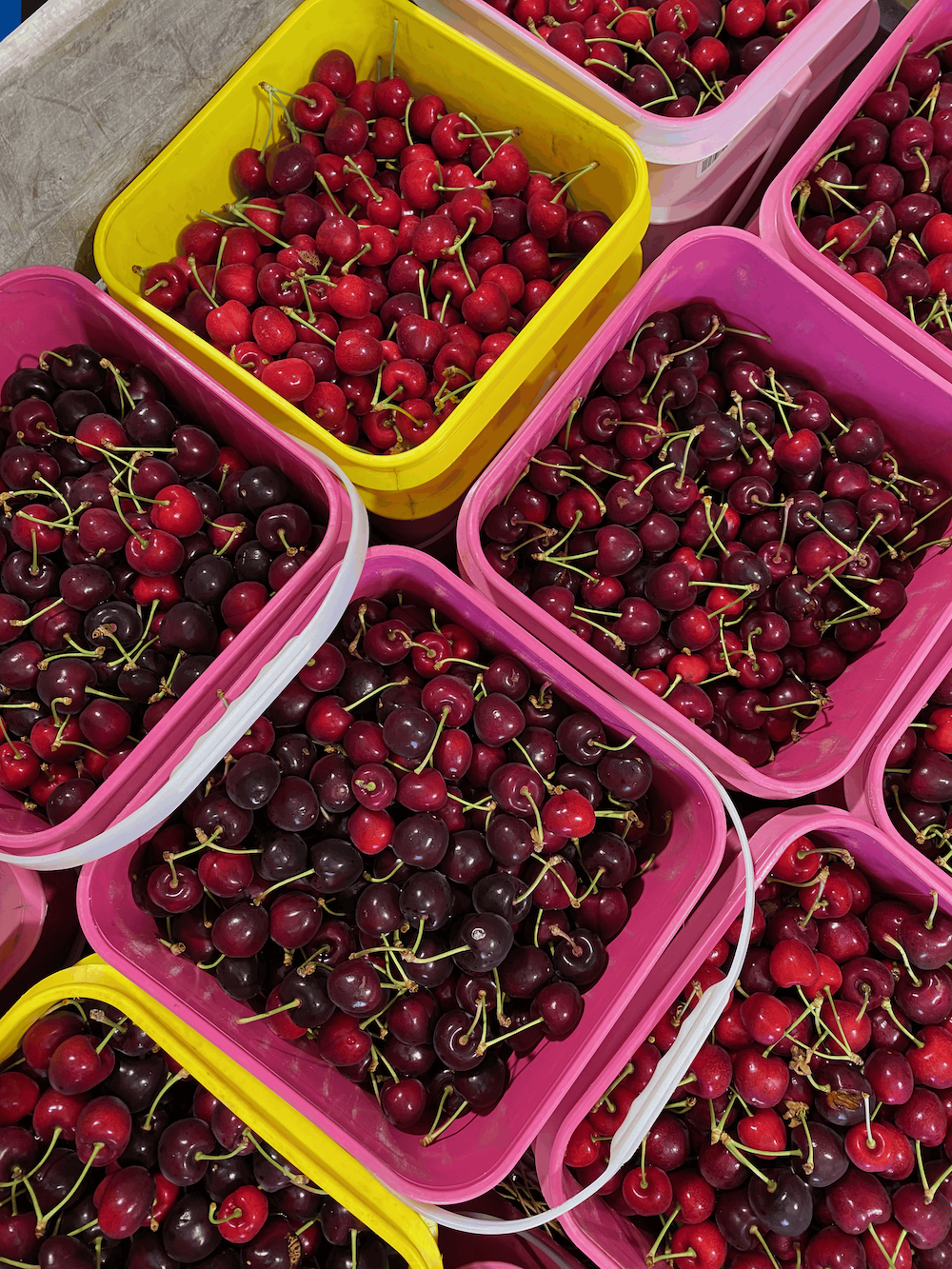
Our first ever cherry box comes from nine growers in Central Otago. Meet them, see what makes a cherry wonky, and find out how the season is shaping up.
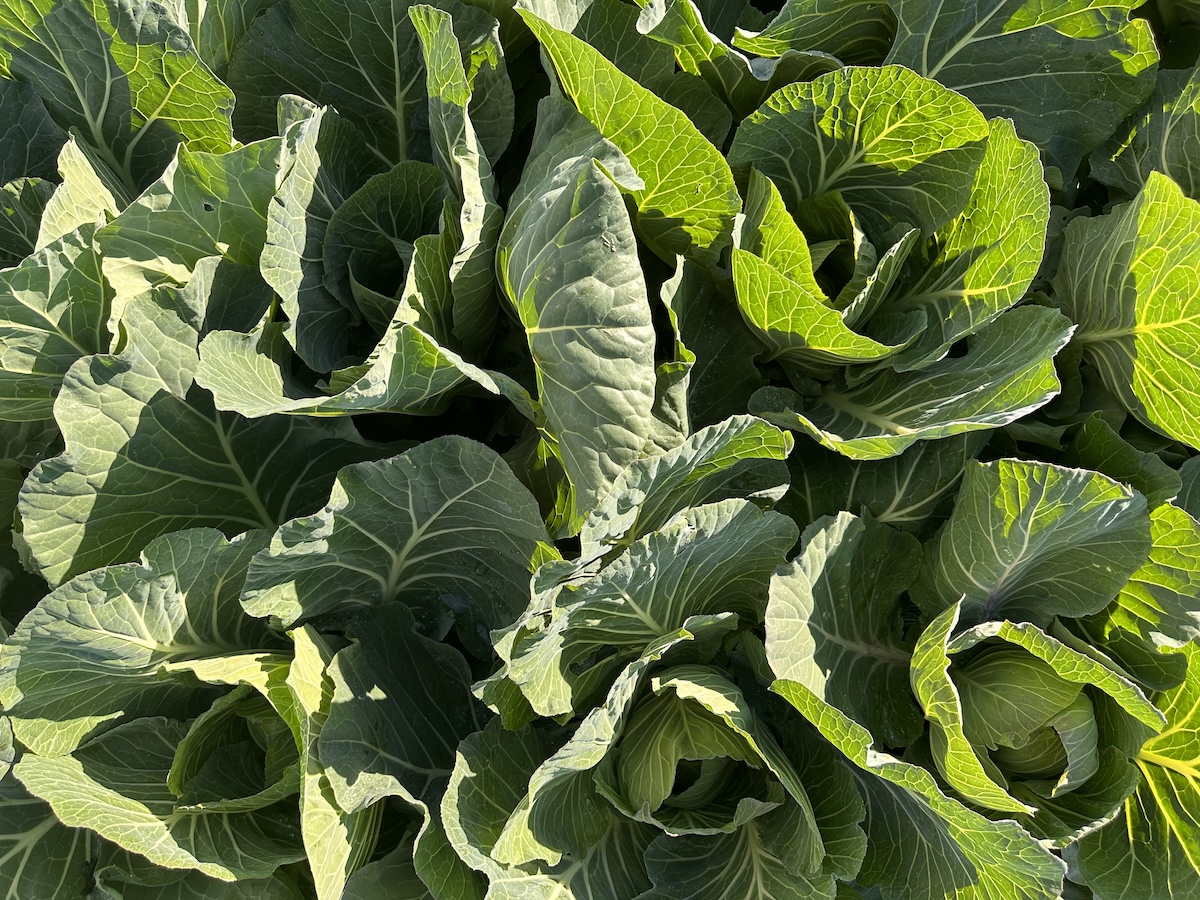
A bumper spring for greens and brassicas. What's filling your box right now, and what all that abundance means for the growers.
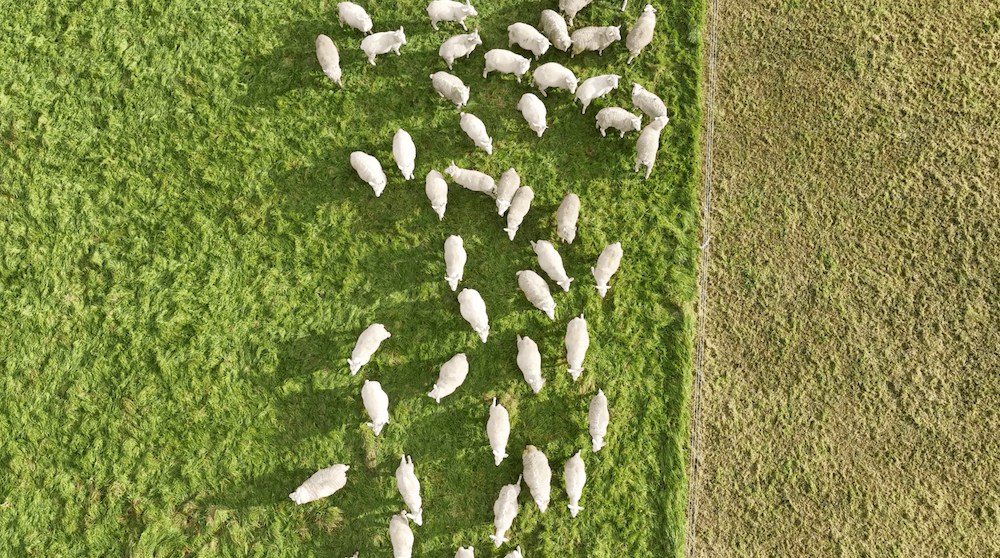
The best meat we grow mostly leaves the country. We work with small family farms to bring some of it home instead.


tell us what you think